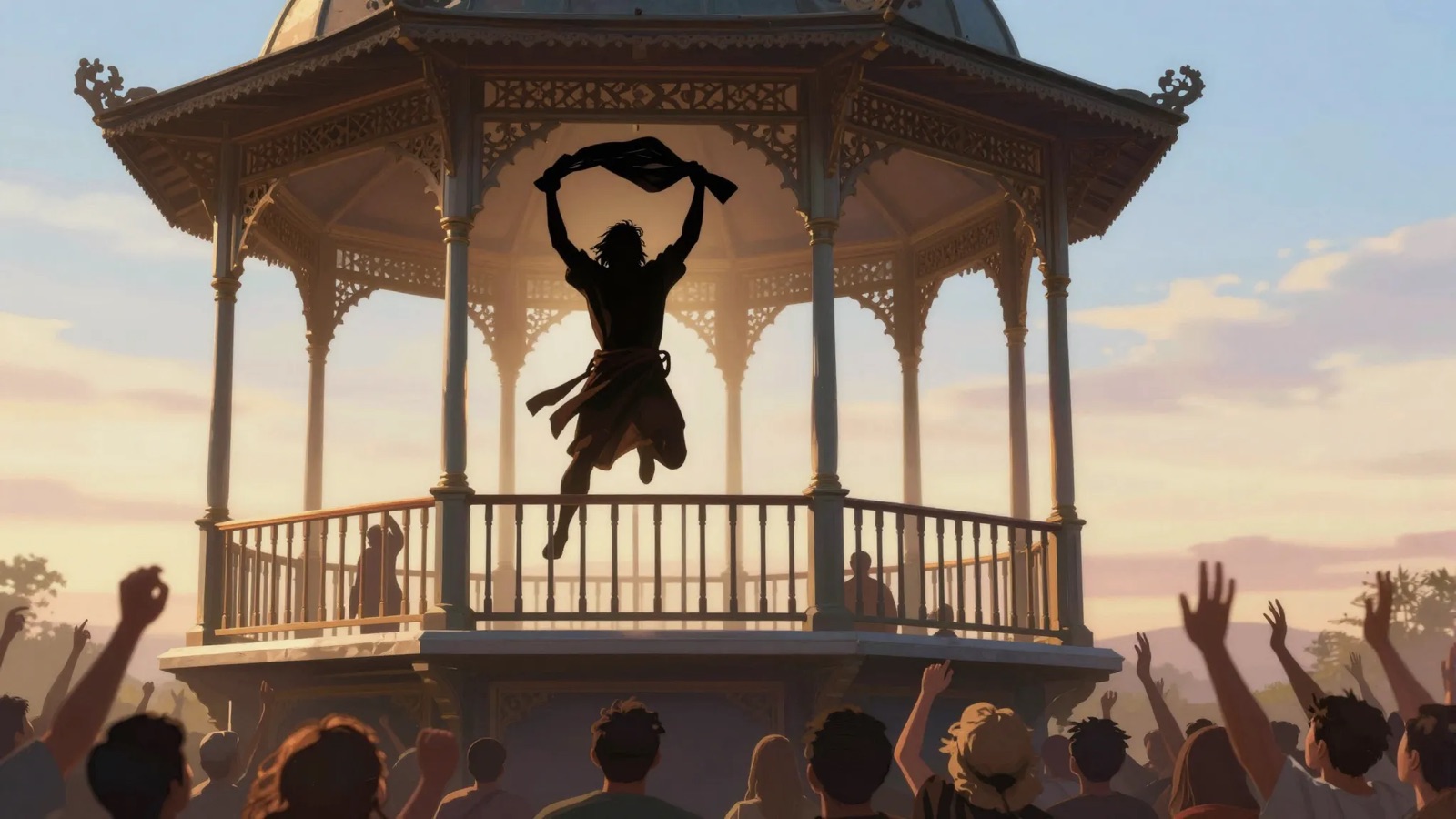
Lord's does not approve of shirtlessness. Which is exactly why the picture of Sourav Ganguly, bare-chested on the pavilion balcony with his India jersey circling above his head, became one of the most reproduced images in the history of the game. It was the end of the NatWest Series final of 2002, and India had just chased 326, the highest total ever run down in a one-day final.
The target
England batted first and made 325 for 5, which in 2002 was an enormous score. Marcus Trescothick scored 109 and Nasser Hussain, the captain, 115, his first one-day hundred, which he celebrated by pointing at the number three on his back towards the press box, where it had been suggested he should bat lower down. The England attack had Darren Gough, Andrew Flintoff, Alex Tudor, Ronnie Irani and Ashley Giles. India had never chased more than 300 to win.
146 for 5
India's reply began at a gallop. Virender Sehwag made 45 and Ganguly 60 from 43 balls, and the openers put on 106 in less than 15 overs. Then it fell apart. Ganguly was out, Sehwag was out, Dinesh Mongia went for 9, Sachin Tendulkar was bowled by Giles for 14, and Rahul Dravid was caught behind. At 146 for 5 in the 24th over, with 180 still needed, the match looked over. In Allahabad, Mohammad Kaif's parents left the house to go and watch Devdas at the cinema, assuming the worst.
Yuvraj and Kaif
The two men at the crease were 20 and 21 years old. Yuvraj Singh had been in the side for two years and had made his name with 84 against Australia in Nairobi. Kaif had played a handful of matches. They batted as if they had no idea what the score was supposed to mean. Yuvraj drove and pulled his way to 69 from 63 balls; Kaif nudged, scampered and occasionally lofted. Their stand was worth 121 from 106 balls, and when Yuvraj was out at 267 the target was no longer absurd.
Kaif kept going. Harbhajan Singh made 15, Anil Kumble went for a duck, and Zaheer Khan arrived with 11 needed from 13 balls. Zaheer swung Flintoff for four. In the final over, from Flintoff, with two needed, Zaheer pushed the ball to the off side and ran. The throw missed, the batters turned for the second, and India had won by two wickets with three balls to spare. Kaif was 87 not out from 75 balls.
The balcony
Five months earlier, at the Wankhede in Mumbai, Flintoff had celebrated an England one-day win by taking off his shirt and running around the outfield. Ganguly had not forgotten. On the Lord's balcony, with the match won, the Indian captain pulled off his jersey and spun it round his head, shouting at the ground below. He was fined, and he did not care. For Indian supporters it was the answer to a hundred years of being told how to behave in that building.
Why it matters
The 2002 NatWest final was the day Ganguly's young India announced itself. Within a year the same side reached the World Cup final in South Africa, and within five years Yuvraj and Kaif's generation, with Dhoni, Sehwag and Zaheer, were winning world titles. The chase proved something to the players themselves: that a target set by England at Lord's was just a number, and numbers could be beaten.